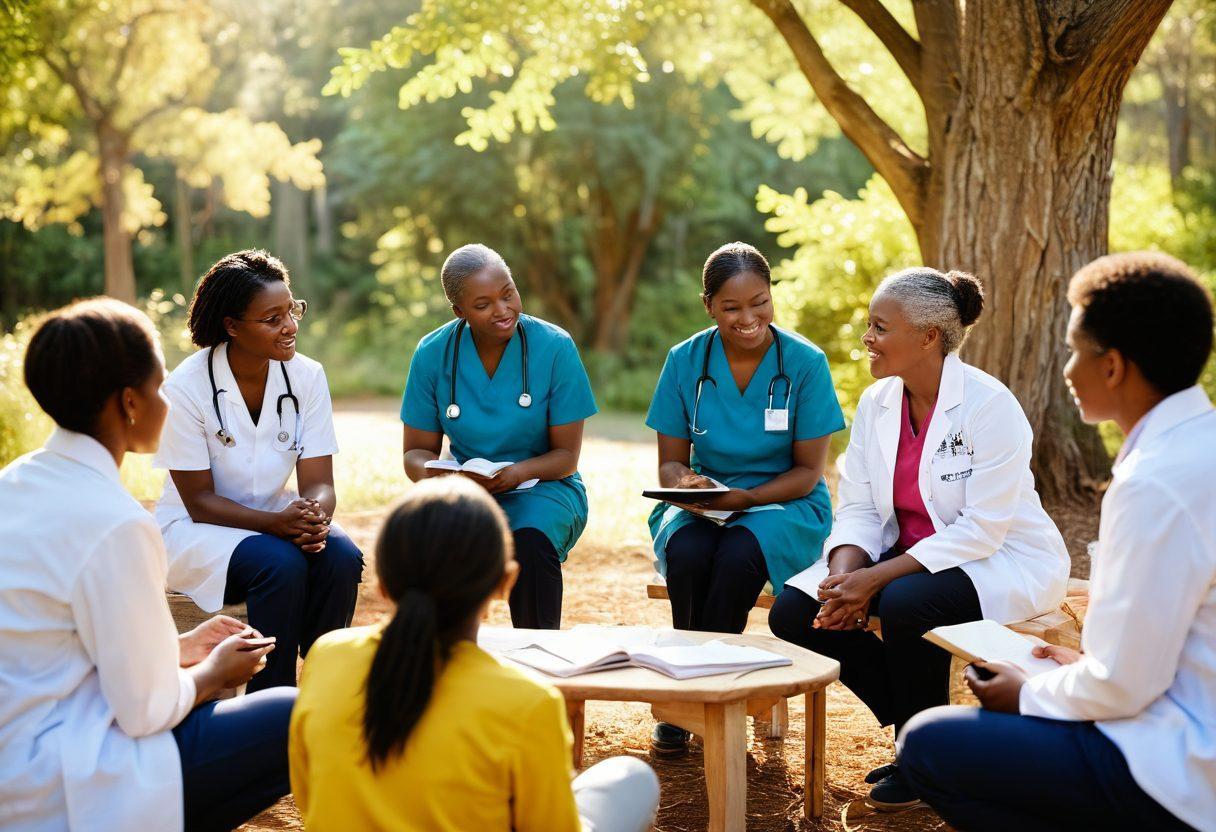
Navigating Cancer: Empowering Patients Through Knowledge and Community Support
Navigating the landscape of cancer can often feel like wandering through a dense fog, where myths and misconceptions cloud understanding. For many patients and their families, the term 'carcinoma' can evoke a whirlwind of emotions ranging from fear to hopelessness. But what if deciphering these terms and understanding their implications could instead empower us? In this health blog, we aim to unravel the myths behind carcinoma and tumor care, leveraging the power of patient support and community to foster a sense of well-being and hope. It's time to turn confusion into clarity. After all, knowledge is often the best medicine.
What exactly is carcinoma? Derived from the Greek word 'karkinos', meaning crab, carcinoma is the most common type of malignant tumor that arises from epithelial cells. So, you might ask, why does it matter? Understanding the specifics of carcinoma can significantly influence treatment decisions and outcomes. For example, knowledge about the different types—like adenocarcinoma or squamous cell carcinoma—can help patients navigate their oncology journey more effectively. Have you ever felt overwhelmed when discussing specific types of tumors with your healthcare provider? You're not alone!
Disease awareness is pivotal in fostering an informed patient community. As we delve into tumor care, let’s acknowledge the roles of various treatment modalities such as chemotherapy, radiation therapy, and immunotherapy. Each has its own place in managing malignancy and comes with distinct side effects and benefits. Think about it: if you or a loved one were faced with a diagnosis, wouldn’t you want to know about the latest advancements in cancer research or clinical trials? It’s this quest for knowledge that can empower patients while igniting a passionate advocacy for informed healthcare.
Furthermore, a holistic approach to cancer care extends beyond just medical treatment. Nutrition, mental health, and lifestyle changes are paramount in improving the quality of life for patients undergoing therapies. Imagine embarking on a journey where healthy eating habits and emotional support become your allies in the fight against cancer. This is where community support steps in. Meaningful conversations with fellow survivors, sharing of experiences, and mutual encouragement can create a tapestry of comfort and camaraderie. Wouldn't you agree that feeling supported can make a world of difference?
In conclusion, unraveling the myths around carcinoma and tumor care is key to empowering not only patients but their loved ones too. Armed with the right information, patients can make informed decisions, embrace the nuances of their diagnosis, and participate actively in their healthcare journeys. Whether it’s through seeking out preventive care, engaging in community support, or exploring palliative care options, the path towards survivorship can be navigated with confidence. Let’s keep the conversation going, spread disease awareness, and remember: you’re not alone in this battle. Together, we can lift each other up and foster a community steeped in understanding and compassion.
Harnessing Community: The Power of Support in Cancer Recovery and Survivorship
Navigating a cancer diagnosis is a daunting journey, one that can leave you feeling isolated and overwhelmed. But what if I told you that harnessing community support can be a game-changer in recovery and survivorship? The truth is, cancer isn't just a medical condition; it's a life-altering experience that affects all aspects of well-being. By tapping into the power of community, patients can harness invaluable resources, from emotional backing to valuable information about oncology advancements. Have you ever thought about how collaboration with others can make a difference in your cancer journey?
Imagine this: you receive a diagnosis of carcinoma. Your mind races with fears and uncertainties. In such moments, connecting with others who have walked or are currently walking the path of survivorship can offer profound insights and comfort. Fellow survivors can share their stories of battling malignancies, provide support during chemotherapy or radiation therapy, and even talk about the small yet significant lifestyle changes that helped them. Connecting with those who have faced similar struggles creates a sense of belonging, which can be a source of strength when tackling the symptoms that come with cancer treatments.
As you delve deeper into community support, you might stumble upon advocacy groups dedicated to disease awareness and patient support. These organizations play a crucial role in empowering patients with information dissemination about cancer research and therapeutics available today. From the latest advancements in immunotherapy to the significance of participating in clinical trials, these groups can provide a wealth of knowledge that might not be easily accessible through healthcare institutions. Wouldn't it be comforting to know where to find trustworthy information that can help guide your decisions?
Mental health is another critical component of cancer recovery, and community support can be a lifeline. Many find solace in support groups where they can openly share their fears and triumphs. Discussing the emotional challenges with a group that understands your journey can lessen the weight of that burden. Plus, some groups focus on nutrition and wellness, helping patients understand how lifestyle choices can enhance their overall well-being during and after treatment. Have you considered how nutrition can play a role in your recovery?
Ultimately, it is essential to realize that you are not alone in the journey of survivorship. The shared experiences, collective knowledge, and emotional scaffolding built through community support can elevate your resilience. So, as you embark on or continue your journey with cancer, seek out connections with others who are experiencing or have faced similar trials. Share your story, listen to others, and leverage the power of community support for healing. Because in the end, as you navigate through the landscape of healthcare, it's the connections you cultivate that will empower you during this challenging time.
Empowering Wellness: Essential Knowledge for Navigating Treatment Options in Oncology
When faced with a cancer diagnosis, the world can feel overwhelming, as if you're holding a complex puzzle that has no clear picture. However, understanding the intricacies of oncology and your available options can transform this paralyzing experience into a journey of empowerment. That's right! Knowledge is a powerful tool in navigating treatment options, and getting informed about various therapeutics—like chemotherapy, radiation therapy, and the newest immunotherapy—is vital for your well-being. But how do you even start gathering this information?
Let's rewind for a moment and imagine the story of Sarah, a vibrant mother of two who one day received the news that changed everything: she had been diagnosed with carcinoma. The word itself felt like a weight, but Sarah decided to take charge. She began her journey by diving into the world of cancer research, eager to empower herself and advocate for her treatment options. In hearing about Sarah's experience, have you thought about how you might react in her shoes? Your mindset is crucial when facing such challenges!
Community support plays an essential role when navigating cancer treatment options. Who else but those who have walked the same path can provide insights that resonate? Whether it’s participating in a local support group or engaging in an online forum, these spaces foster disease awareness and enable patients to exchange stories and information. Imagine connecting with someone who has successfully undergone palliative care! The shared experiences can offer not just solace but also actionable strategies that enhance your treatment decisions.
Nutrition and mental health are equally important elements in this landscape of survivorship. Cancer can take a toll on our physical and emotional states. Embracing lifestyle changes—opting for nutrient-dense foods or incorporating mindfulness practices into your routine—can fortify your battle against malignancy. Research shows that a balanced diet can even impact treatment outcomes, so why wait? What small dietary changes can you make today that will empower your journey tomorrow?
The advocacy aspect of cancer care should never be underestimated. Being well-informed about clinical trials and preventive care options places you in a position of strength. It's not only about seeking information; it's about spreading it too. Start a health blog or join discussions that promote awareness around symptoms and treatment pathways. Your voice can contribute to a broader community dialogue, providing invaluable patient support—and who knows, perhaps your story will inspire another individual to navigate their journey with newfound courage!